
Stabilize Steep Terrain With Durable Solutions
Secure Retaining Walls in Flowery Branch
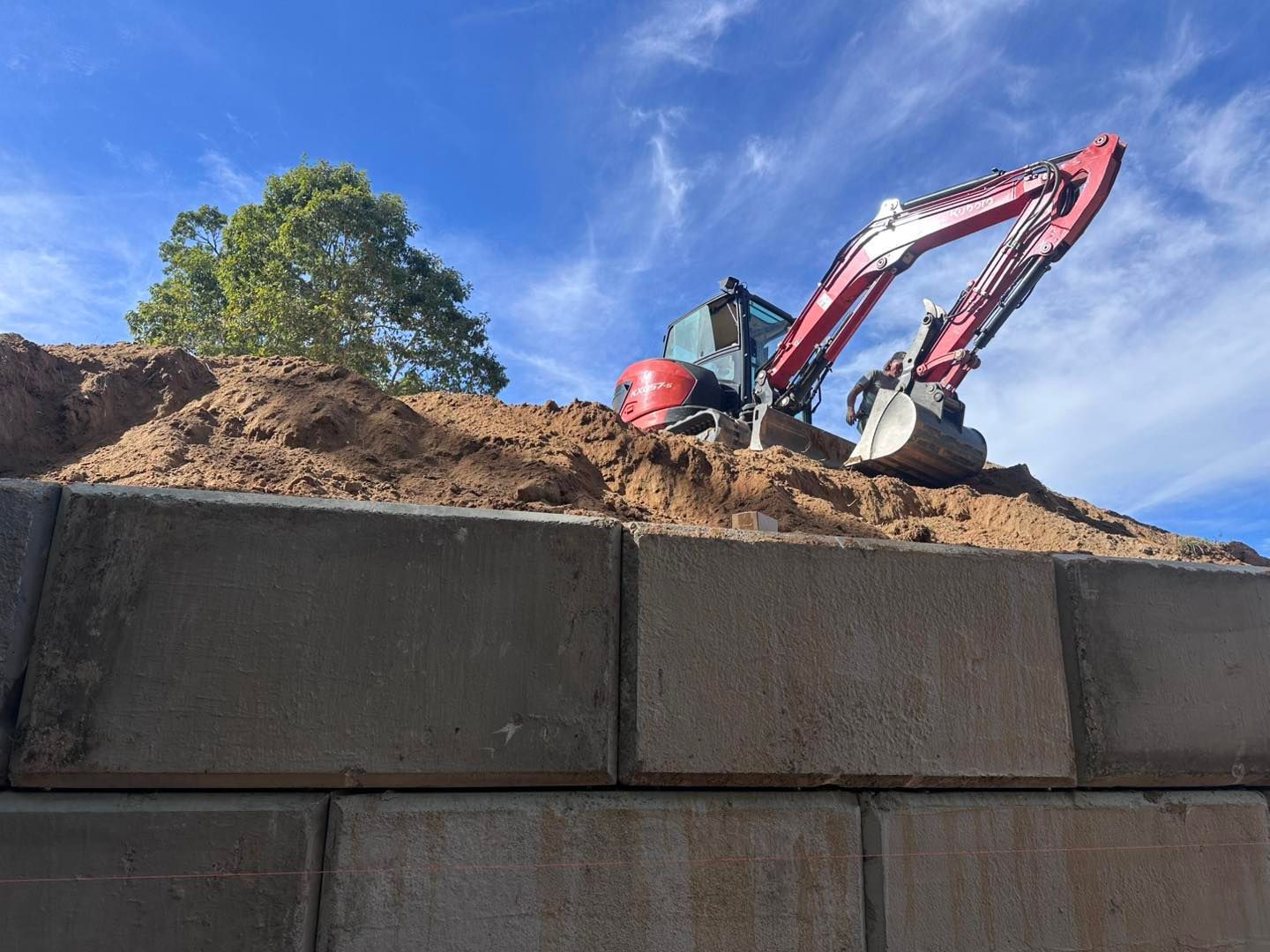
Your property's sloped terrain presents real challenges for erosion control, driveway stability, and usable yard space, especially in the steep North Georgia landscape common throughout Flowery Branch. Moose Creek Unlimited designs and installs functional retaining walls using block, stone, or timber materials that hold back soil, prevent washouts, and create level areas for landscaping or construction. Each wall is built with proper drainage integration behind the structure, ensuring long-lasting performance even during heavy rain events that test weaker installations.
Custom wall solutions are sized appropriately for the elevation changes on your site, whether you need a short decorative border or a multi-tiered system that manages significant grade differences. Retaining wall Flowery Branch GA projects address both residential and commercial needs, supporting everything from backyard terracing to build-site pad retention. The materials and methods used are selected based on soil type, slope angle, and the specific load requirements of your project.
Request a retaining wall assessment today and explore design options that work for your property in Flowery Branch.
Details That Matter Most
Retaining wall construction requires more than stacking materials; proper design accounts for soil pressure, water movement, and long-term structural integrity. You receive walls built with engineered base preparation, compacted backfill, and drainage systems that prevent hydrostatic pressure from pushing the structure forward over time throughout Flowery Branch.
Moose Creek Unlimited uses segmental block, natural stone, and treated timber depending on aesthetic preferences and functional requirements. Block walls offer modular flexibility and clean lines, while stone provides a more natural appearance that blends with existing landscaping.
The installation process begins with excavation to establish a level base below the frost line, followed by compacted gravel for drainage and stability. Each course is set with precision to maintain proper alignment and batter angle, which tilts the wall slightly into the slope for added strength. Perforated drain pipe is installed behind the wall and covered with gravel to channel water away from the structure, preventing buildup that causes failure in poorly constructed systems.
How Our Process Works
Homeowners and builders often need clarification on material choices, height limitations, and what makes a retaining wall last. Here are answers to common questions about wall design, installation, and long-term performance in sloped terrain.
Retaining walls protect your investment by preventing soil loss, stabilizing driveways, and creating usable outdoor spaces where steep grades once limited your options. Proper installation eliminates recurring erosion problems and adds functional beauty to your property. Connect with the team now to schedule your retaining wall consultation and receive tailored design options for your site in Flowery Branch.